By Gobind Builders | Building Sustainable, Climate-Resilient Homes Across Canada
Canada’s home construction industry is entering a defining period in 2026. Economic stabilization, evolving homeowner expectations, climate pressures, and rapid technological innovation are reshaping how homes are planned, designed, and built. Homeowners today are more informed, value-conscious, and intentional, prioritizing energy efficiency, long-term durability, climate resilience, and transparent construction practices.
Homes are no longer evaluated solely on aesthetics or square footage. Performance, sustainability, adaptability, and quality craftsmanship now define long-term value. From urban developments to suburban custom homes and rural properties, Canadian homeowners increasingly demand resilient, future-ready homes that are built to last.
At Gobind Builders, we see these trends as opportunities to deliver homes that are not only well-built but thoughtfully designed for decades of living. Beyond structural integrity, modern homeowners are considering health, comfort, and environmental impact in every decision, from materials to mechanical systems. This guide outlines the most important home construction trends in Canada for 2026, helping homeowners make confident, future-focused construction decisions.
Sustainable building is no longer an optional feature, it is now the baseline expectation in Canadian home construction.
Why Sustainability Matters in 2026?
- Rising energy and utility costs are driving homeowners to seek energy-efficient homes.
- Updated provincial and federal building codes increasingly mandate eco-friendly construction practices.
- Homeowners are more environmentally conscious, prioritizing low-carbon living.
- Demand for healthier indoor air and sustainable materials continues to rise.
- Incentive programs and rebates from utilities and governments make green upgrades cost-effective.
Key Sustainable Home Features
- High-performance insulation and airtight building envelopes to reduce energy loss.
- Triple-pane, ENERGY STAR certified windows for maximum thermal efficiency.
- Heat pumps and high-efficiency HVAC systems for energy savings and reduced carbon footprint.
- Low-VOC paints, recycled, and eco-friendly materials for a healthy, environmentally friendly home.
- Advanced ventilation systems that improve indoor air quality and comfort year-round.
At Gobind Builders, sustainability is integrated at every stage of construction. Our energy-efficient homes reduce operating costs, improve comfort, and align with Canada’s long-term climate goals, all without compromising design or functionality. We also consult with homeowners on renewable energy integration, like solar-ready roofs or geothermal systems, to make future upgrades seamless.
With climate risks escalating, climate-resilient construction has become a non-negotiable aspect of home building in 2026.
Climate Risks Influencing Home Design
- Wildfires and smoke exposure in western provinces.
- Flooding and extreme rainfall in low-lying areas.
- Heavy snowfall, freeze-thaw cycles, and winter storms in northern and central Canada.
- Heat waves and prolonged temperature fluctuations affecting energy demand.
- Erosion and soil instability in some coastal and river-adjacent properties.
Climate-Resilient Construction Features
- Fire-resistant roofing and exterior cladding to mitigate wildfire damage.
- Elevated foundations for homes in flood-prone regions.
- Advanced moisture barriers to prevent water damage and mold growth.
- Reinforced framing and structural supports for snow, wind, and seismic events.
- Smart drainage and stormwater management systems that protect the property during extreme rainfall.
Gobind Builders designs homes to adapt to regional climate conditions, ensuring safety, durability, and long-term performance across Canada’s diverse environments. By integrating resilient materials and advanced building techniques, our homes are prepared for decades of climate variability.
Modular and prefabricated construction is increasingly popular among Canadian homeowners. These methods reduce construction timelines, improve precision, and allow for more predictable costs.
Why Homeowners Are Choosing Modular Builds?
- 30–50% faster construction timelines compared to traditional methods.
- Reduced material waste, supporting eco-friendly practices.
- Higher precision from controlled manufacturing environments.
- Fewer on-site errors and delays caused by weather or labor shortages.
- Predictable budgets and transparent cost tracking.
- Easier integration of smart home technology during the build process.
Modular homes now meet all Canadian building code standards and perform reliably in diverse climates. At Gobind Builders, we combine modern prefabrication methods with traditional craftsmanship, delivering homes that balance speed, quality, and long-term durability. Modular methods also allow us to customize homes more efficiently without compromising design flexibility.
The Canadian construction workforce is adapting to meet modern demands.
Key Workforce Trends in 2026
- Expanded apprenticeship programs and skills development initiatives.
- Increased participation of women and underrepresented groups in skilled trades.
- Integration of newcomers into the construction workforce.
- Emphasis on mental health, well-being, and workplace safety.
- Adoption of technology-driven safety protocols on job sites.
- Upskilling workers in smart home technologies and energy-efficient construction methods.
At Gobind Builders, investing in our people is a priority. A skilled, supported workforce leads to higher-quality builds, safer job sites, and stronger community engagement.
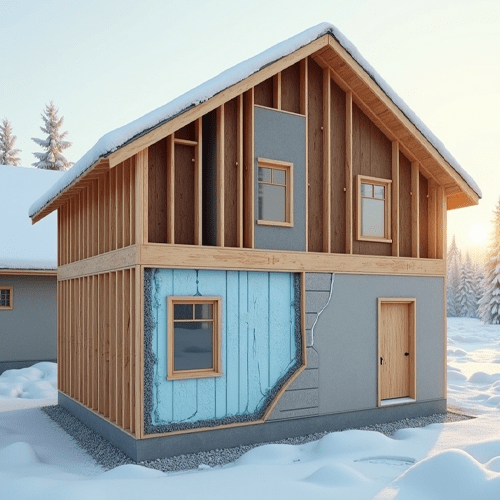
Modern construction relies heavily on technology to improve efficiency, accuracy, and transparency.
Construction Technologies Shaping 2026
- Building Information Modelling (BIM) for precise project planning.
- Drones for site inspections, monitoring, and progress tracking.
- Laser scanning for millimeter-level measurement accuracy.
- AI-assisted scheduling and budgeting to reduce delays and cost overruns.
- Smart sensors to track structural integrity, indoor air quality, and safety compliance.
These tools enable Gobind Builders to provide a more transparent, reliable, and efficient construction process for homeowners. Homeowners can monitor progress in real-time, make informed decisions, and stay aligned with budget expectations.
Despite technology advancements, skilled craftsmanship remains crucial to long-lasting, high-quality homes.
What Quality Craftsmanship Includes?
- Precision framing, finishing, and detailing.
- Full compliance with Canadian building codes.
- Transparent inspections and project documentation.
- Use of durable, high-quality materials for longevity.
Technology enhances efficiency, but it is experience and expertise that ensure homes stand the test of time. At Gobind Builders, craftsmanship and attention to detail remain central to every project.
Sustainability, climate-resilient design, modular construction, advanced building technology, and skilled craftsmanship are defining trends.
Yes. They lower long-term energy costs, improve comfort, boost resale value, and align with Canadian building regulations.
Climate-resilient homes include reinforced structures, moisture protection, fire-resistant materials, high-performance insulation, and smart drainage systems.
Yes. Modular homes comply with national building codes and perform exceptionally under extreme weather conditions.
Select licensed, insured builders with proven experience, transparent contracts, sustainability expertise, and a trusted reputation, qualities Gobind Builders delivers consistently.
Absolutely. AI-enabled HVAC systems, lighting, security, and energy monitoring can be incorporated seamlessly. Gobind Builders ensures full integration without compromising quality.
Regular inspection of insulation, HVAC systems, roofing, and drainage is recommended. Durable, sustainable finishes minimize long-term maintenance costs.
The Canadian home construction landscape in 2026 emphasizes responsibility, resilience, and long-term value. Homeowners now expect homes that perform efficiently, adapt to climate challenges, integrate smart technologies, and retain value for generations.
At Gobind Builders, we design and build homes that reflect these priorities. From custom builds to major renovations, our approach combines sustainable materials, climate-ready engineering, modern technology, and timeless craftsmanship.
Building for the future means building responsibly today.
Build Smart. Live Better. Build with Gobind Builders.

Building trust, quality, and communities across Canada through expert construction and personalized service.
Support
Connect With Us
- Alberta & British Colombia
- +1 778-721-8235
- info@gobindbuilder.com
Subscribe Us
Copyright © 2026 Gobind Builder . All rights Reserved.