
By Gobind Builders | Building Safe, Sustainable, and Climate-Resilient Homes Across Canada
Choosing the right framing material is one of the most crucial decisions in any Canadian construction project. The framing system forms the backbone of your home or building, influencing structural stability, energy efficiency, fire safety, and long-term durability.
Canada’s diverse climate, including heavy snowfall, extreme cold, freeze-thaw cycles, high humidity, and wildfire-prone regions, makes this choice even more critical. A poor framing decision can lead to costly repairs, high maintenance, and reduced energy performance over time.
At Gobind Builders, we guide homeowners, developers, and architects to make informed decisions about steel framing vs wood framing, ensuring structures are durable, safe, energy-efficient, and designed to last for generations. Understanding the strengths, weaknesses, and costs of each material ensures future-ready homes across Canada.
Steel Framing in Canada
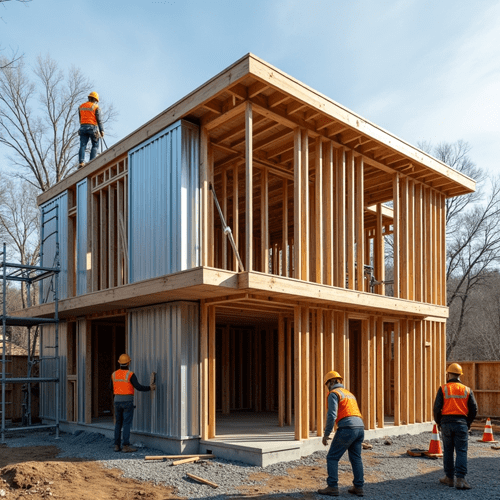
Modern cold-formed steel (CFS) systems, such as FRAMECAD, offer precision, strength, and consistent performance. Steel does not warp, twist, or shrink, making it ideal for residential, commercial, and multi-family buildings in regions with harsh weather conditions.
Benefits of steel framing include:
- Superior structural stability and durability under heavy snow loads
- Resistance to moisture, mold, and rot
- Non-combustible for enhanced fire safety
- Prefabricated for precision and faster build times
- Environmentally friendly and highly recyclable
Steel framing allows modern architectural flexibility, enabling open floor plans and large spans without load-bearing walls. This is particularly valuable in custom Canadian homes and mid-rise developments.
Wood Framing in Canada
Wood framing is the traditional choice for Canadian residential construction. It is widely available, cost-effective, and familiar to builders. However, wood is naturally susceptible to moisture, pests, and fire, requiring additional care and maintenance.
While wood remains practical for small homes and low-rise buildings, it requires protective treatments, routine inspections, and careful consideration in coastal regions, humid climates, or wildfire-prone areas.
Superior Durability & Structural Stability
Steel framing maintains its shape and strength under extreme Canadian conditions:
- Does not warp, twist, or shrink
- Resistant to rot, mold, and mildew
- Maintains structural integrity during freeze-thaw cycles and heavy snow loads
- Long-lasting with minimal maintenance
This makes steel framing a reliable option for homeowners and developers who want buildings that withstand Canada’s diverse climate.
Pest Resistance
Unlike wood, steel is completely immune to pests, including:
- Termites
- Carpenter ants
- Wood-boring insects
This is particularly valuable in regions like southern Ontario, coastal BC, and the Maritimes, where insect damage can be costly.
Fire Safety
Steel is non-combustible, enhancing fire resistance. Homes and buildings in Alberta wildfire zones or BC interior regions benefit from increased safety. Many insurers offer premium discounts for steel-framed buildings, reducing insurance costs for homeowners.
Environmentally Sustainable
Steel is 100% recyclable, generates minimal waste, and requires no chemical treatments, making it a preferred option for sustainable, eco-friendly Canadian construction.
Faster, Cleaner Construction
Prefabricated steel framing systems allow:
- Reduced build timelines
- Less on-site labor
- Minimal weather delays
- Cleaner, safer construction sites
This is particularly advantageous for Canadian winter builds, where wood framing can slow due to cold or moisture.
Moisture & Rot
Up to 90% of wood-frame damage is caused by moisture. High-risk areas include:
- Coastal regions with high humidity
- Atlantic Canada with heavy rainfall
- Regions experiencing freeze-thaw cycles
Moisture exposure can cause mold, rot, and structural weakening, increasing repair costs over time.
Pest Vulnerability
Wood attracts insects such as termites, carpenter ants, and moisture-loving pests. Damage from pests can compromise structural integrity and require costly repairs.
Fire Risk
Wood framing is combustible, making homes more vulnerable in wildfire-prone regions of Alberta, BC, and northern communities.
Long-Term Maintenance
Wood requires:
- Routine inspections
- Protective treatments
- Repairs and preventative measures
These requirements increase the lifecycle cost of wood-framed homes, especially in Canada’s moist, cold, or fire-prone regions.
Upfront Costs
Wood is generally less expensive initially, appealing to budget-conscious homeowners. Steel has a higher upfront cost due to prefabrication and materials but reduces labor, construction delays, and long-term maintenance costs.
Long-Term Costs
Steel offers better cost-efficiency over decades because of:
- Minimal repairs
- No pest damage
- Reduced structural movement
- Fire resistance
Studies indicate steel-framed buildings can save up to 15% over their lifecycle compared to wood-framed homes.
Canadian Cost Benchmarks
- Wood framing (residential): $11–$30/sq ft
- Mid-rise wood buildings: $215–$285/sq ft
Steel framing: Higher upfront cost, but greater lifetime ROI and insurance savings
- Coastal BC & Atlantic Canada: High moisture → Steel framing performs best
- Alberta & BC Interior: Wildfire risk → Steel increases safety
- Prairies & Northern Canada: Extreme cold → Steel maintains stability and energy efficiency
Residential Construction
- Wood: Affordable and traditional
- Steel: Better long-term value, fire safety, and pest resistance
Multi-Family & Mid-Rise Buildings
- Steel: Improved fire safety, less settling, lower insurance premiums
Architectural Flexibility
- Steel enables large open spans, modern designs, and precise prefabrication
Steel costs more upfront but saves money over the building’s lifecycle due to durability, pest resistance, and low maintenance.
Yes. Steel framing remains stable during extreme cold, heavy snowfall, and freeze-thaw cycles, making it ideal for harsh climates.
No. Steel is completely pest-proof, unlike wood, which attracts termites and carpenter ants.
Yes, especially for small homes or low-rise projects, but it requires more maintenance and is vulnerable to moisture and fire.
Often yes. Non-combustible and pest-resistant steel framing can lead to premium discounts from insurance providers.
When planning a new build, homeowners should also consider:
- Energy efficiency: Steel framing allows precise insulation installation for better thermal performance.
- Environmental impact: Steel is recyclable and creates less waste compared to wood, supporting green building standards.
- Prefabrication benefits: Steel components can be manufactured off-site, reducing weather-related delays and speeding up construction.
- Longevity: Steel buildings last longer with minimal maintenance, reducing long-term costs.
Future-proofing: Modern Canadian construction demands climate-resilient, fire-safe, and sustainable framing options, making steel an ideal choice.
Choosing the right framing material is critical for Canadian construction projects, whether residential, multi-family, or commercial. While wood remains affordable and traditional, steel framing excels in durability, fire safety, pest resistance, and long-term value across Canada’s diverse climate zones.
At Gobind Builders, we guide homeowners, architects, and developers to make informed decisions about steel and wood framing. Our expertise ensures every project is safe, energy-efficient, climate-resilient, and built to last.
Discover our construction services and contact us today to plan your next home or building with confidence, safety, and long-term value.

Building trust, quality, and communities across Canada through expert construction and personalized service.
Support
Connect With Us
- Alberta & British Colombia
- +1 778-721-8235
- info@gobindbuilder.com
Subscribe Us
Copyright © 2026 Gobind Builder . All rights Reserved.